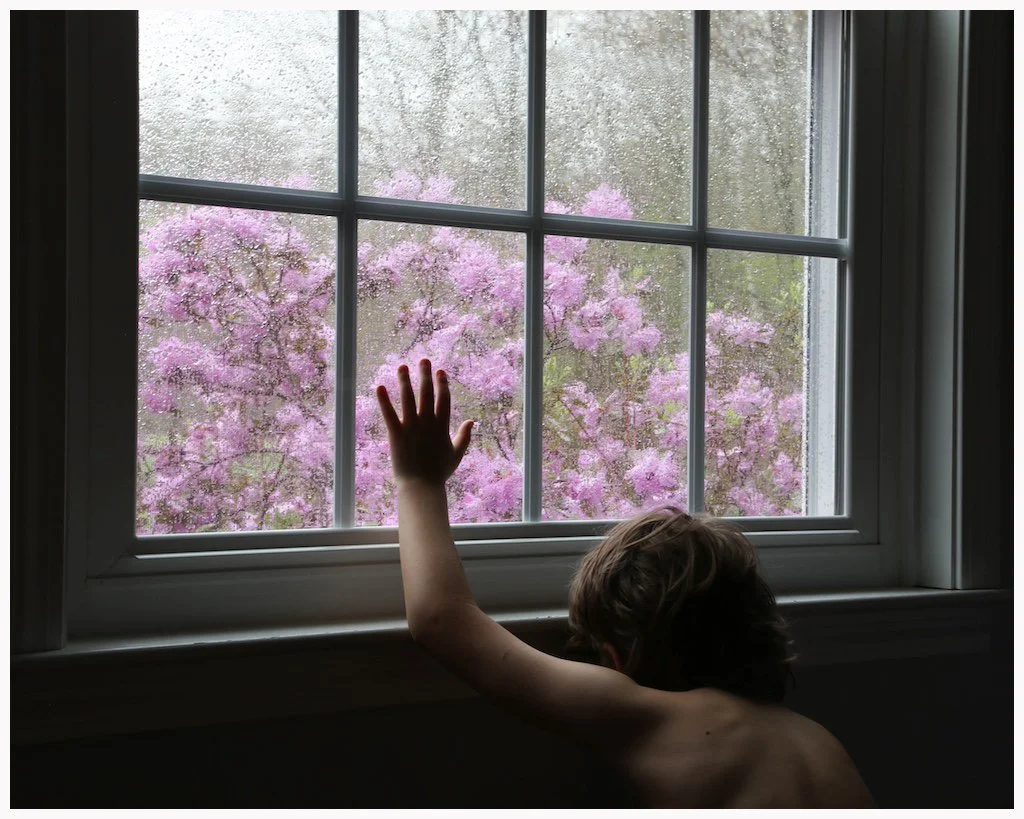
First Look 2026
On View: February 12th - April 27th, 2026
Opening Reception: Thursday, February 12th, 6-8pm
RSVP HERE
Every photograph carries its own weight, but when images are experienced together, they begin to form deeper relationships- shifting meaning through sequence, repetition, and contrast. A portfolio offers photographers the space to think expansively, building narratives that unfold over time and invite sustained looking. It is within this structure that complexity and intention can fully emerge.
Panopticon Gallery is pleased to present First Look 2026, our annual juried portfolio exhibition featuring five selected artists. On view from February through April 2026, First Look highlights bodies of work that feel both considered and cohesive, emphasizing projects that demonstrate a clear visual language and a strong sense of internal dialogue. The exhibition is shaped not only by the strength of individual portfolios, but by how they speak to one another, creating a collective experience that reflects the breadth of contemporary photographic practice.
Presented alongside First Look is First Look: A Second Glance, shown at The Wall at Panopticon Gallery. This selection of small-scale, unframed prints offers a place for additional submissions that strongly resonated with us, while creating a more accessible entry point for collectors. Together, these exhibitions allow us to share a wide range of work and to support artists at multiple moments in their practice. First Look 2026. First Look: A Second Glance can be viewed here.
Join us for an in-person reception of both First Look 2026 and First Look: A Second Glance Thursday, February 12th from 6pm to 8pm.
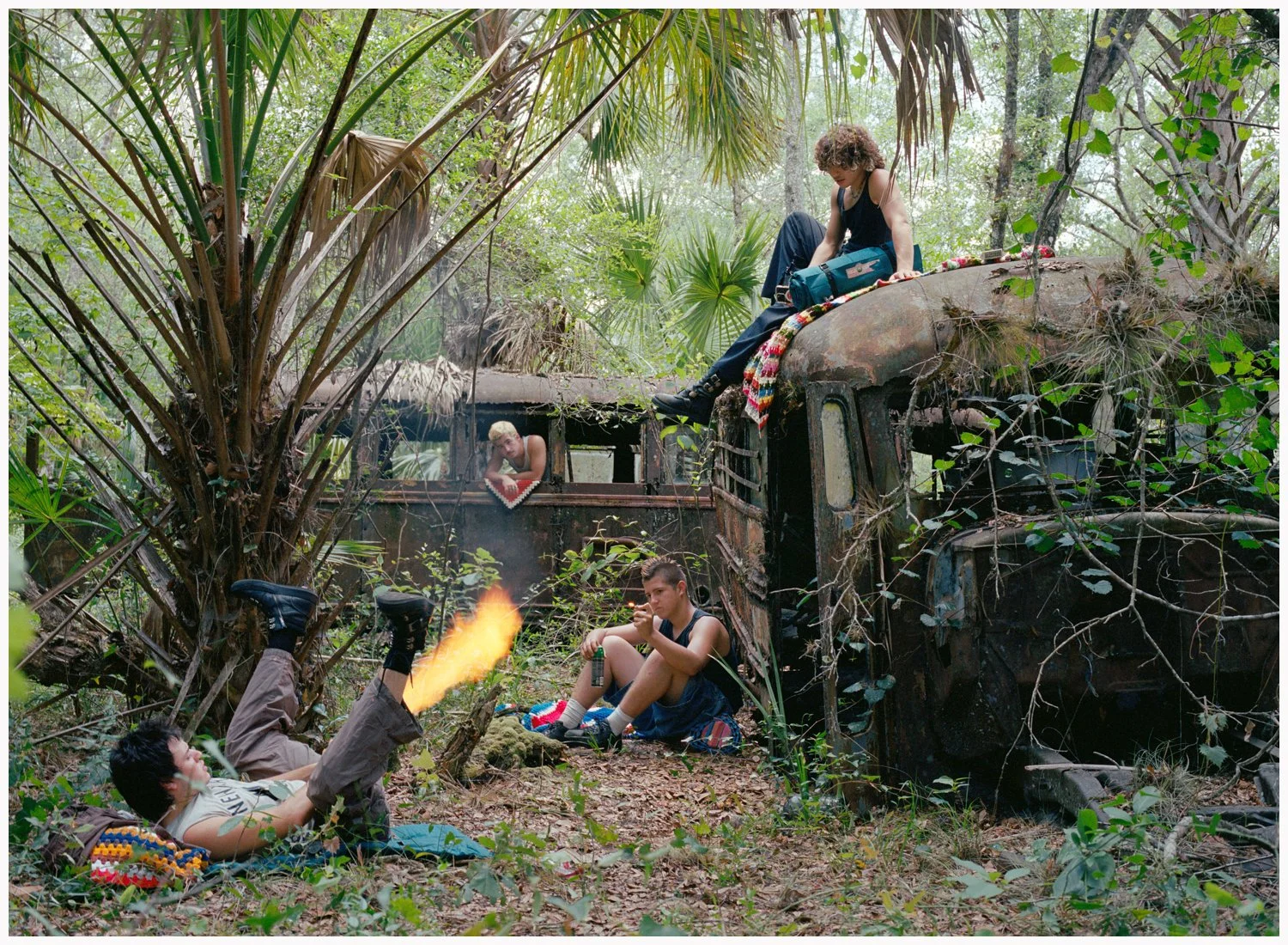
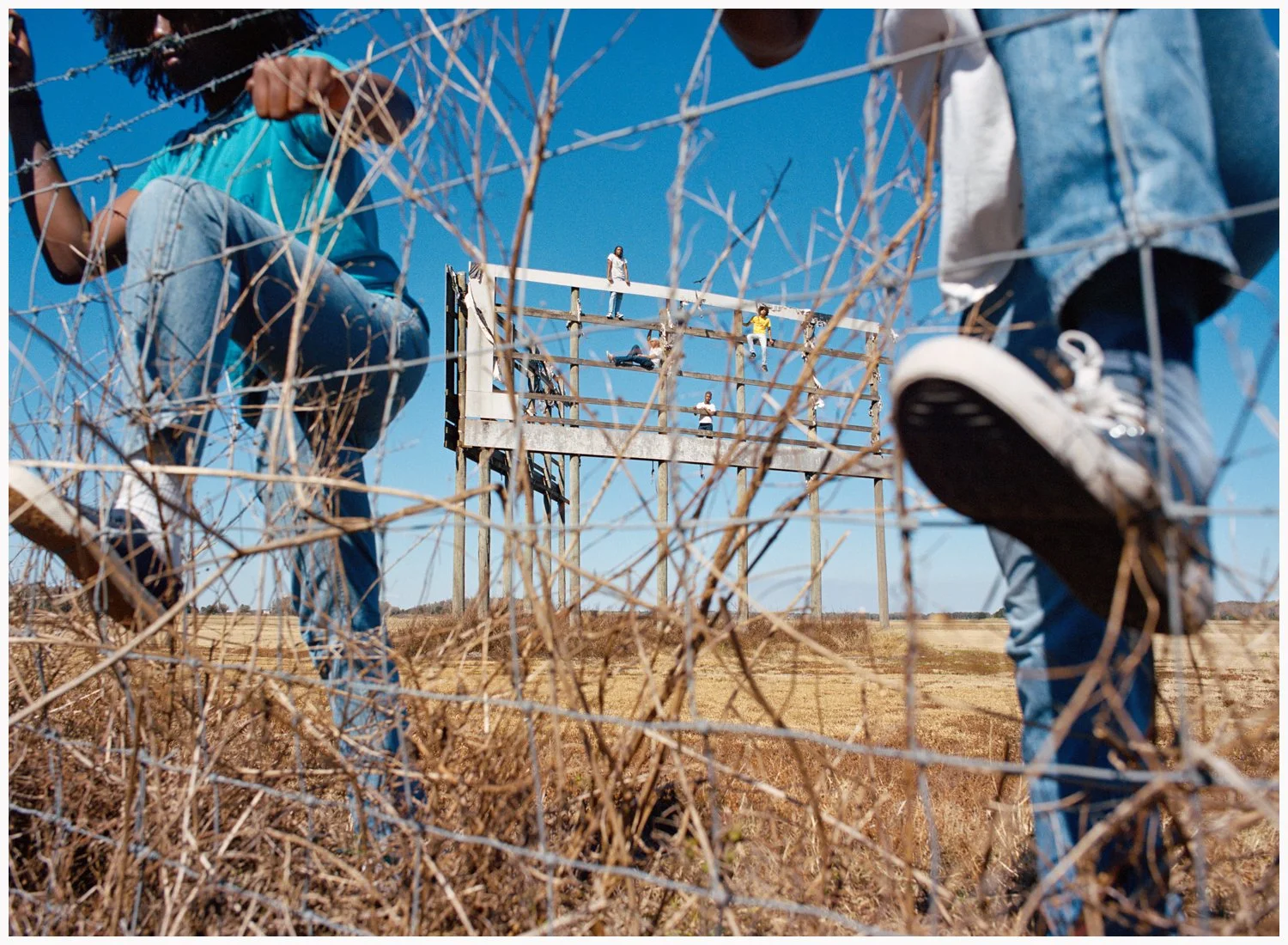
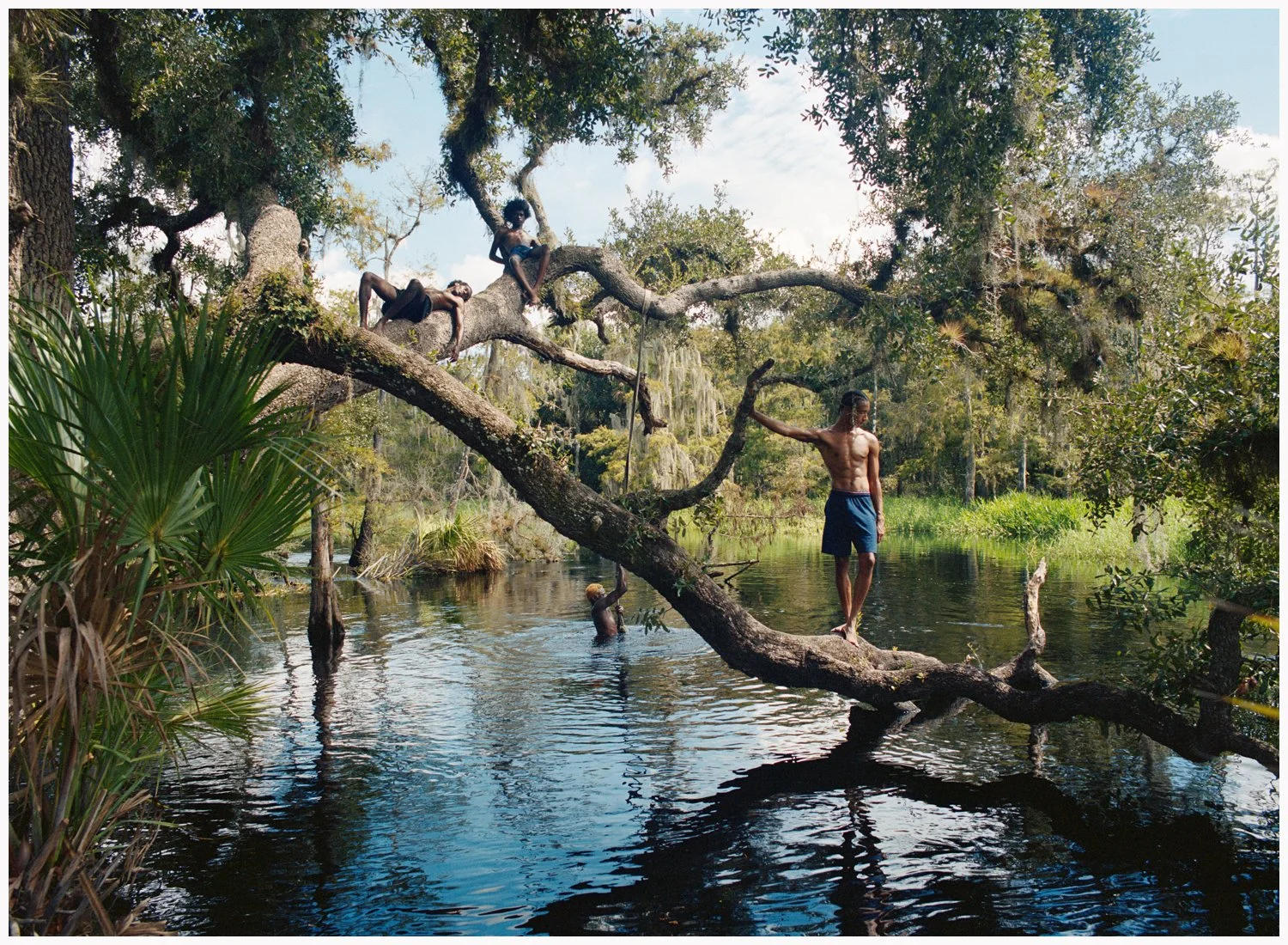
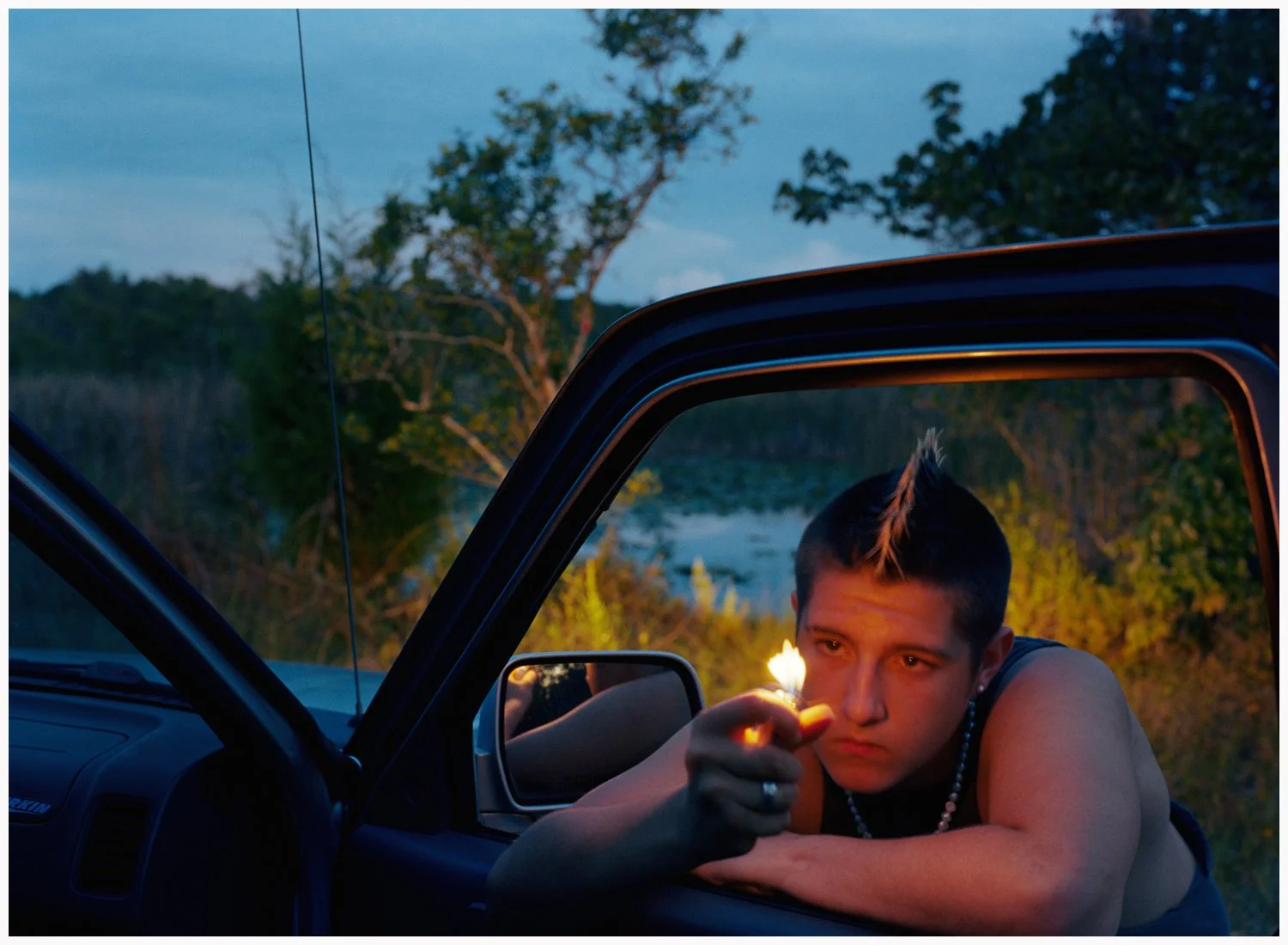
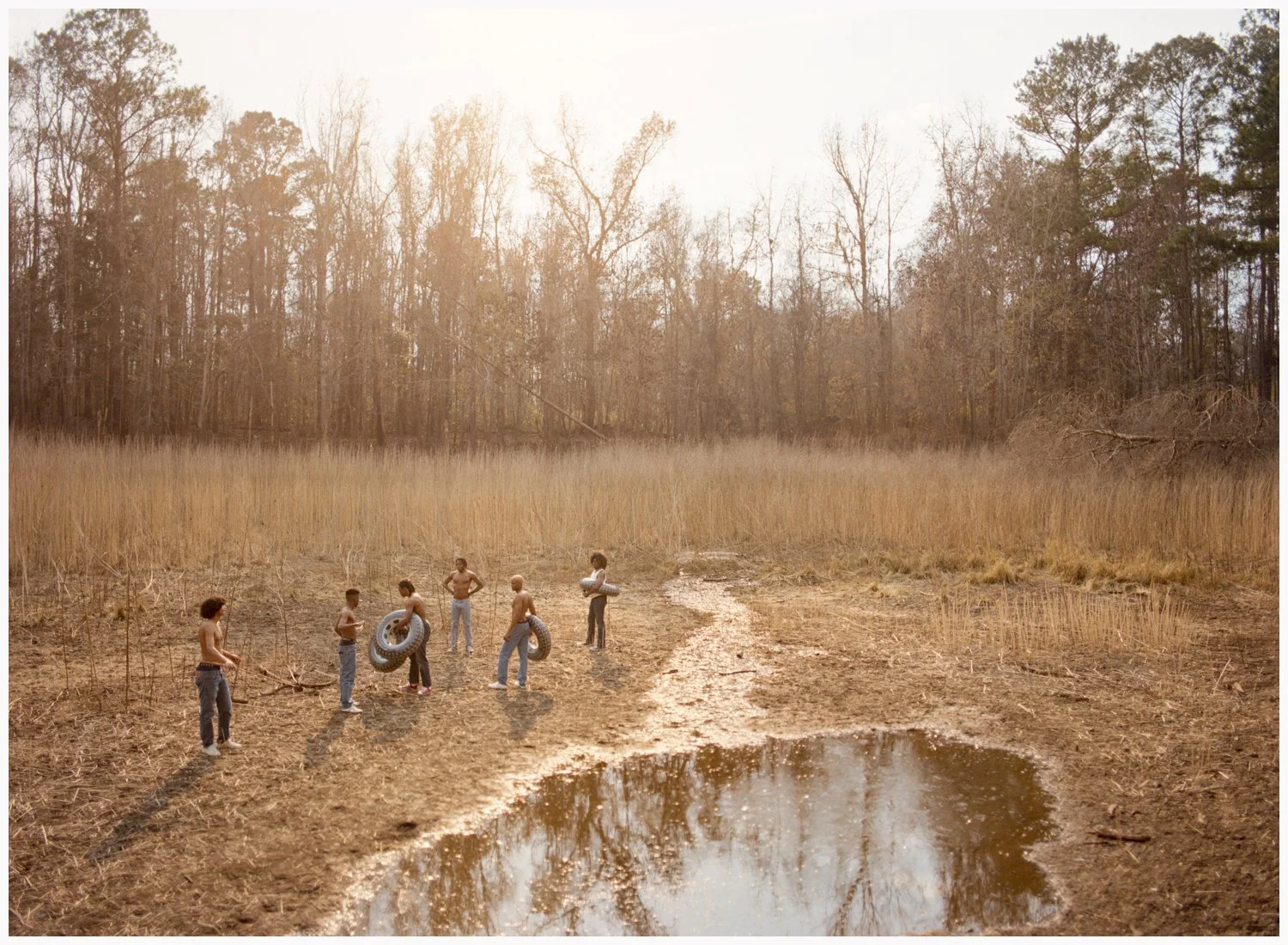
Josh Aronson, Florida Boys
“Florida Boys is a five-year photographic project by Florida-based artist Josh Aronson that examines coming of age, masculinity, and belonging in the American South. Made through extended road trips across the state, the work consists of staged, narrative group portraits created in collaboration with young men from Miami’s creative community, many of whom are first-generation Americans. Set within Florida’s springs, forests, beaches, and rural sites, the photographs place moments of rest, play, and intimacy into landscapes shaped by beauty, violence, and historical weight. Drawing from the visual history of Florida reform schools, nineteenth-century tableaux painting, and the lineage of staged photography, the series proposes a quieter, more expansive vision of Southern masculinity and American coming-of-age: one rooted in place, vulnerability, and shared experience.” -Josh Aronson
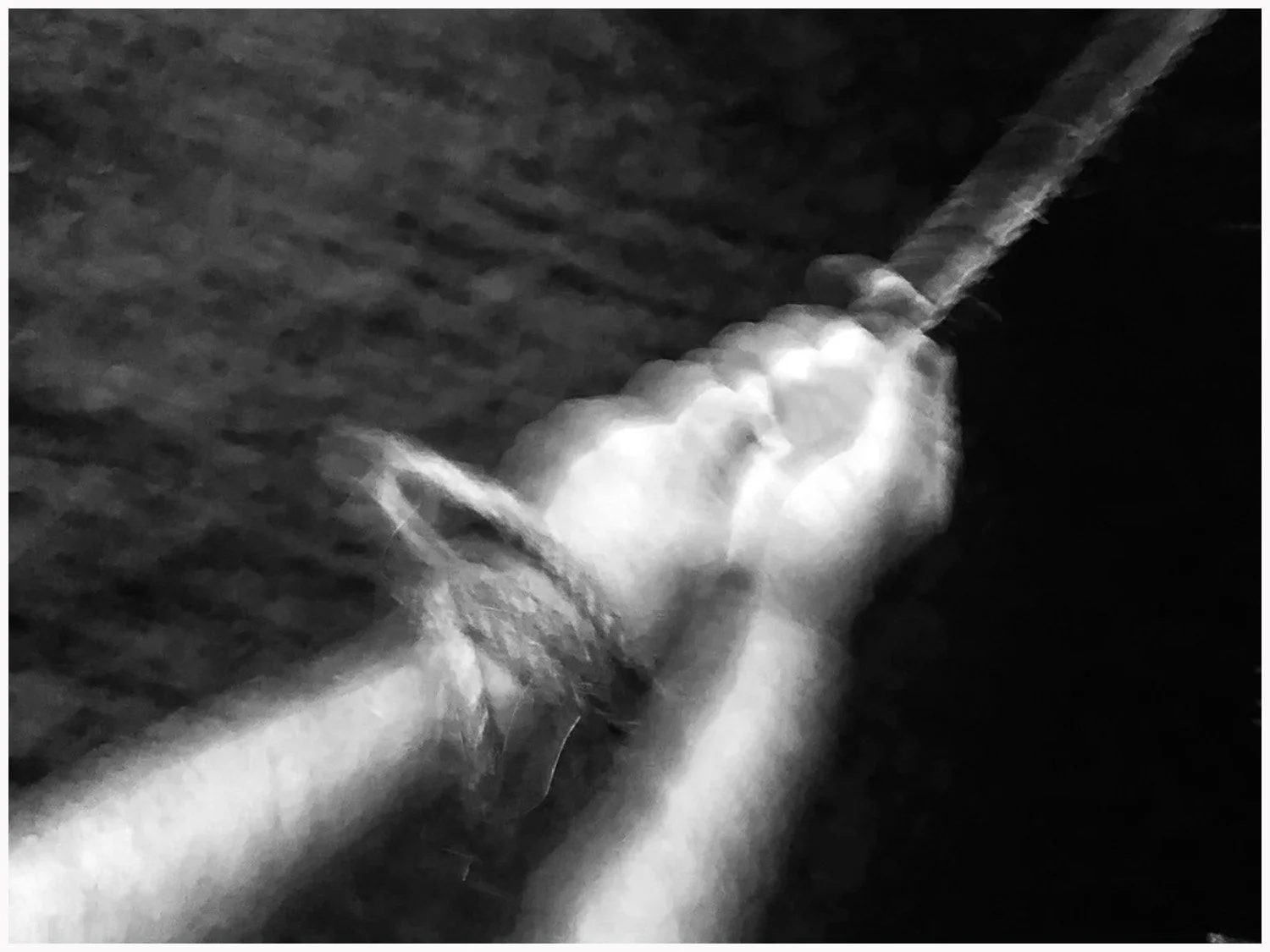
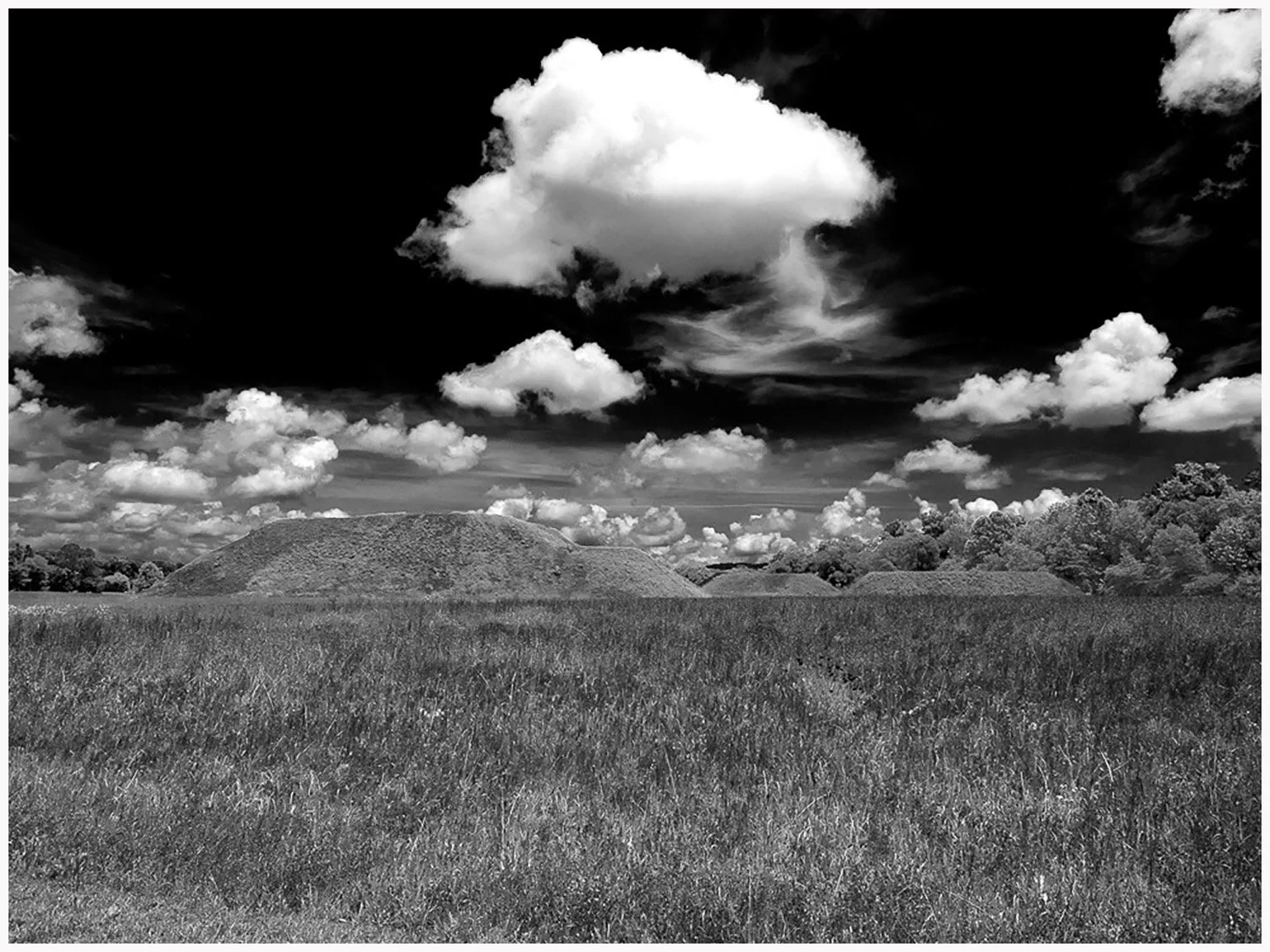
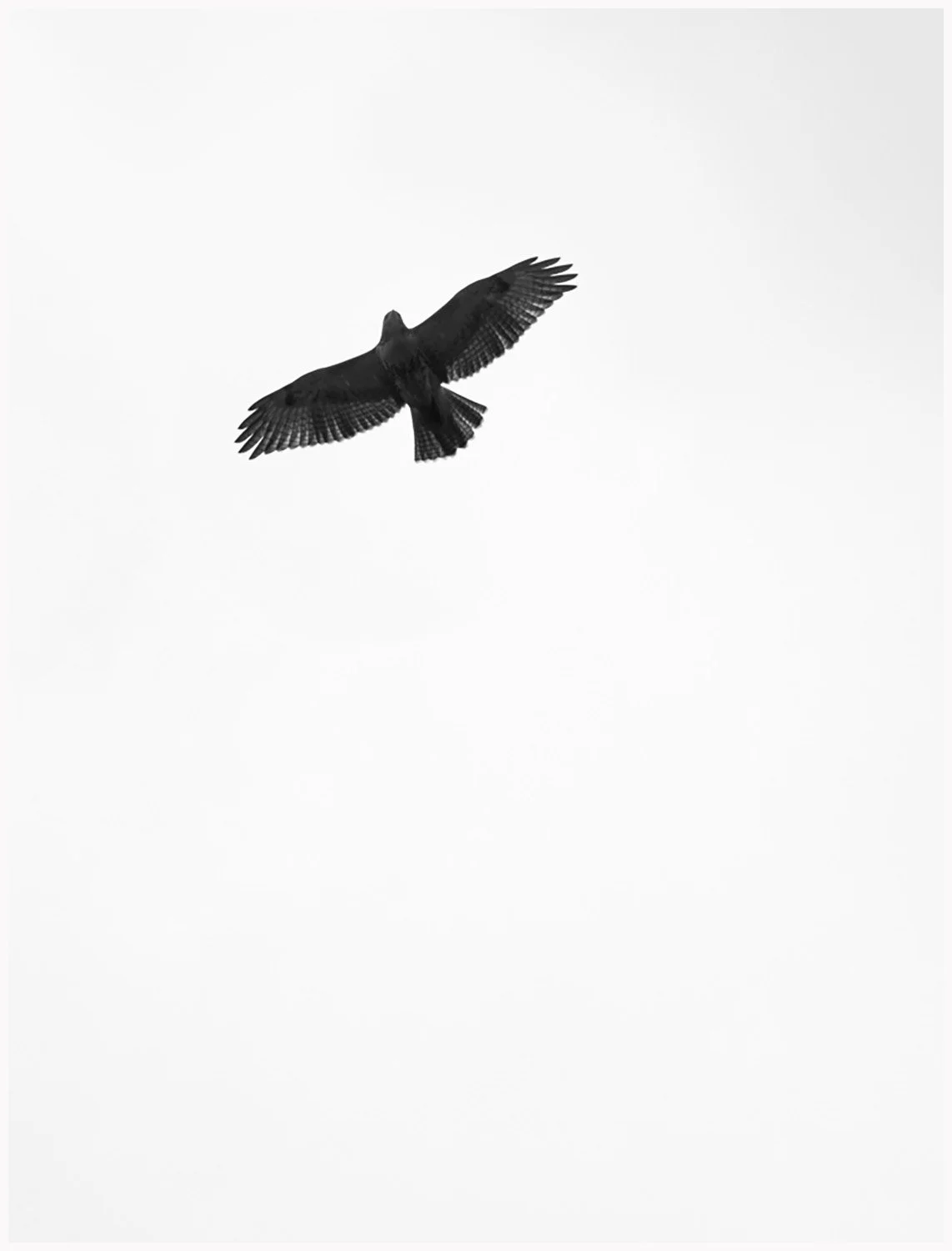
Donna Garcia, Indian Land For Sale
“The objective of Indian Land For Sale is to try to restore what has been lost.
In 1830, the United States government, led by President Andrew Jackson, forcibly relocated native populations east of the Mississippi in order that white farmers could take over the land. The event led to hundreds of thousands of deaths, as well as the extinguishment of the native narratives from American history.
My series Indian Land For Sale, attempts to recreate the horror of this event from the perspective of the indigenous tribes. My images serve to replace what has been lost from official historical archives.
What really struck me is how efficient this extermination was in nearly wiping out an entire culture. In my research it was very difficult to find any primary documentation of these people in Georgia. The Atlanta History Center has little information on the Trail of Tears or indigenous people as a whole and when I submitted a request to their archives, I was told that there was no documentation on file relating to native people or their land.” -Donna Garcia
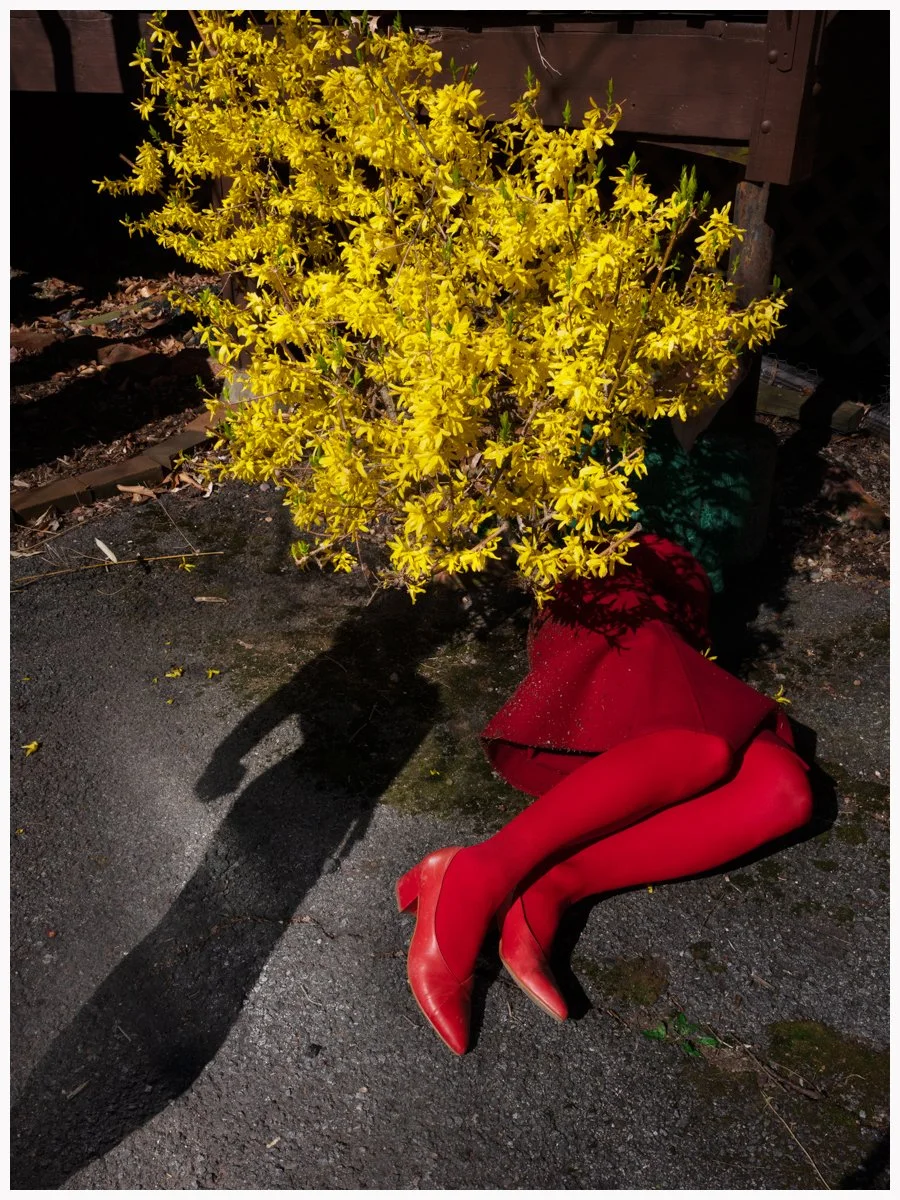
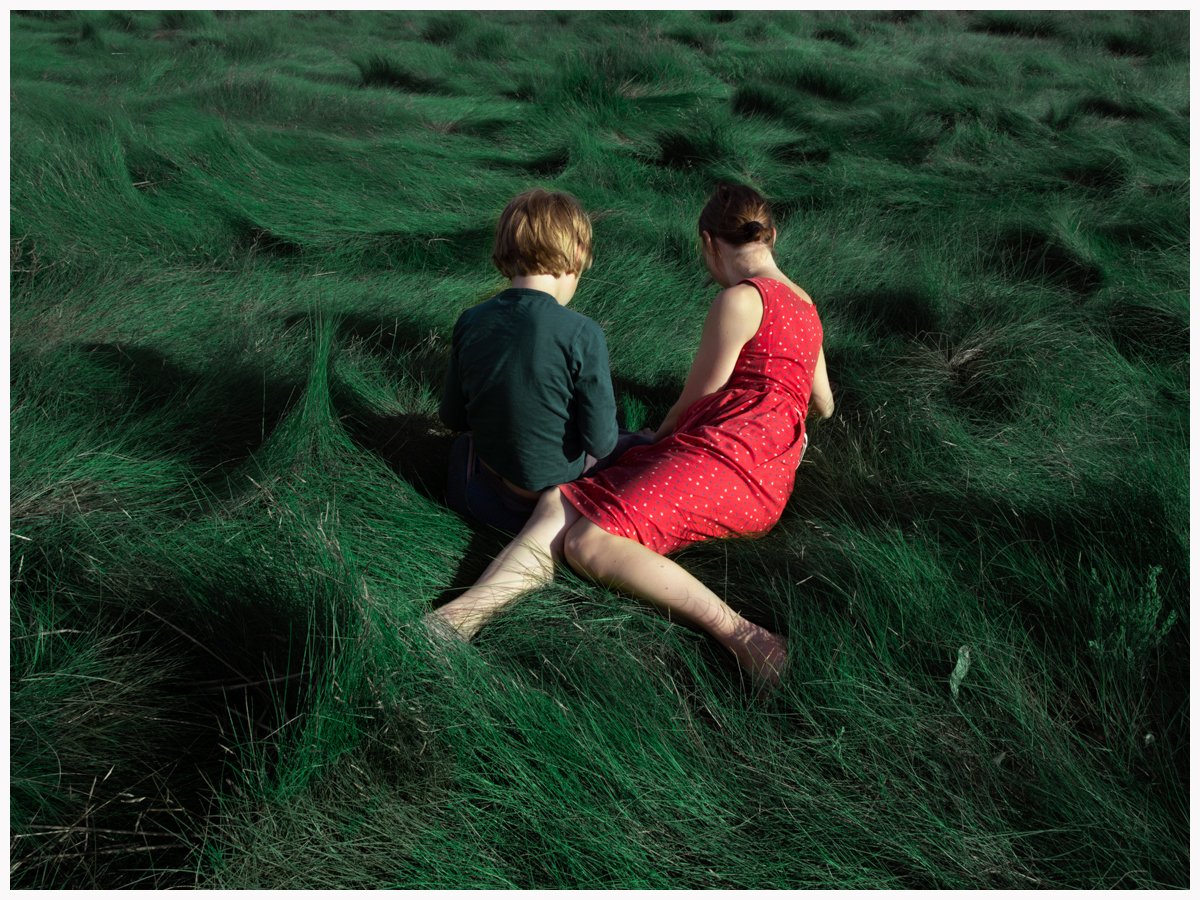
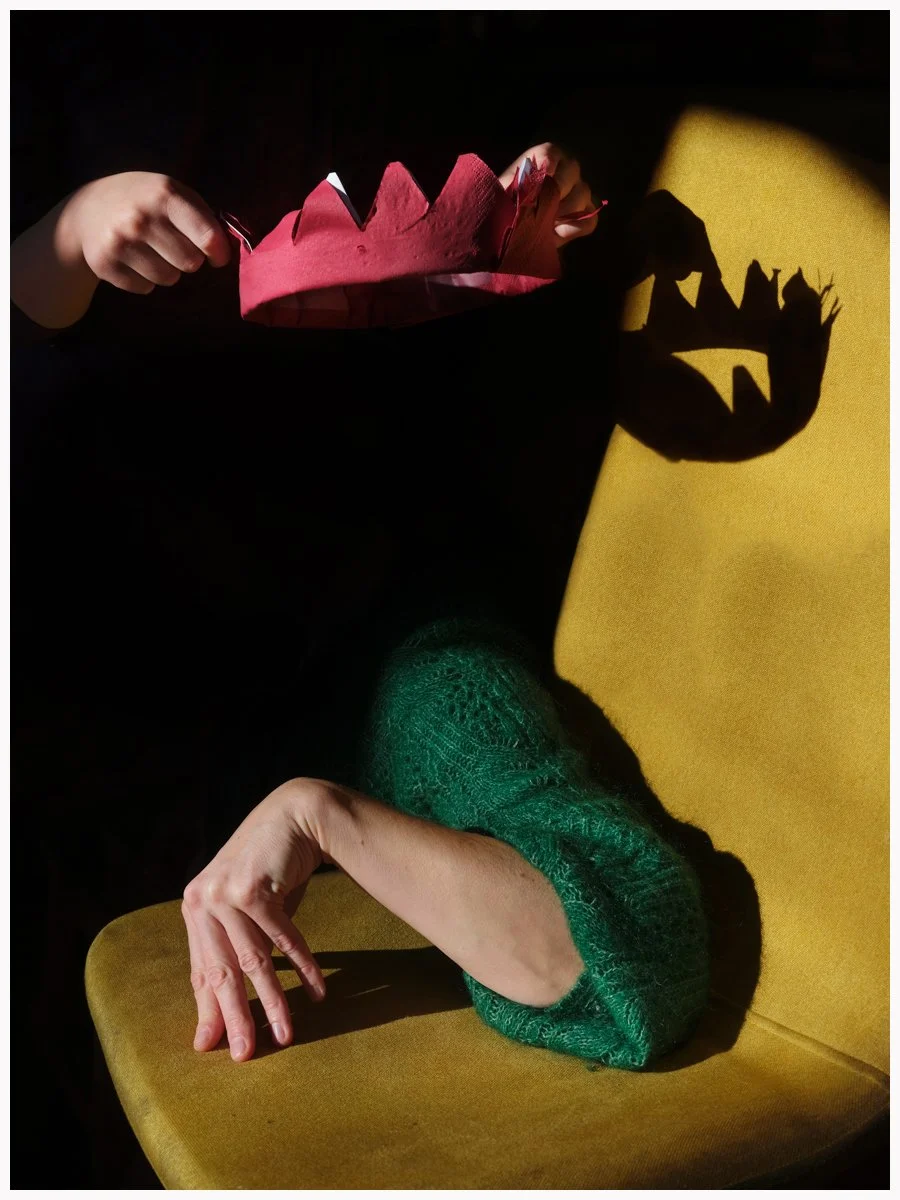
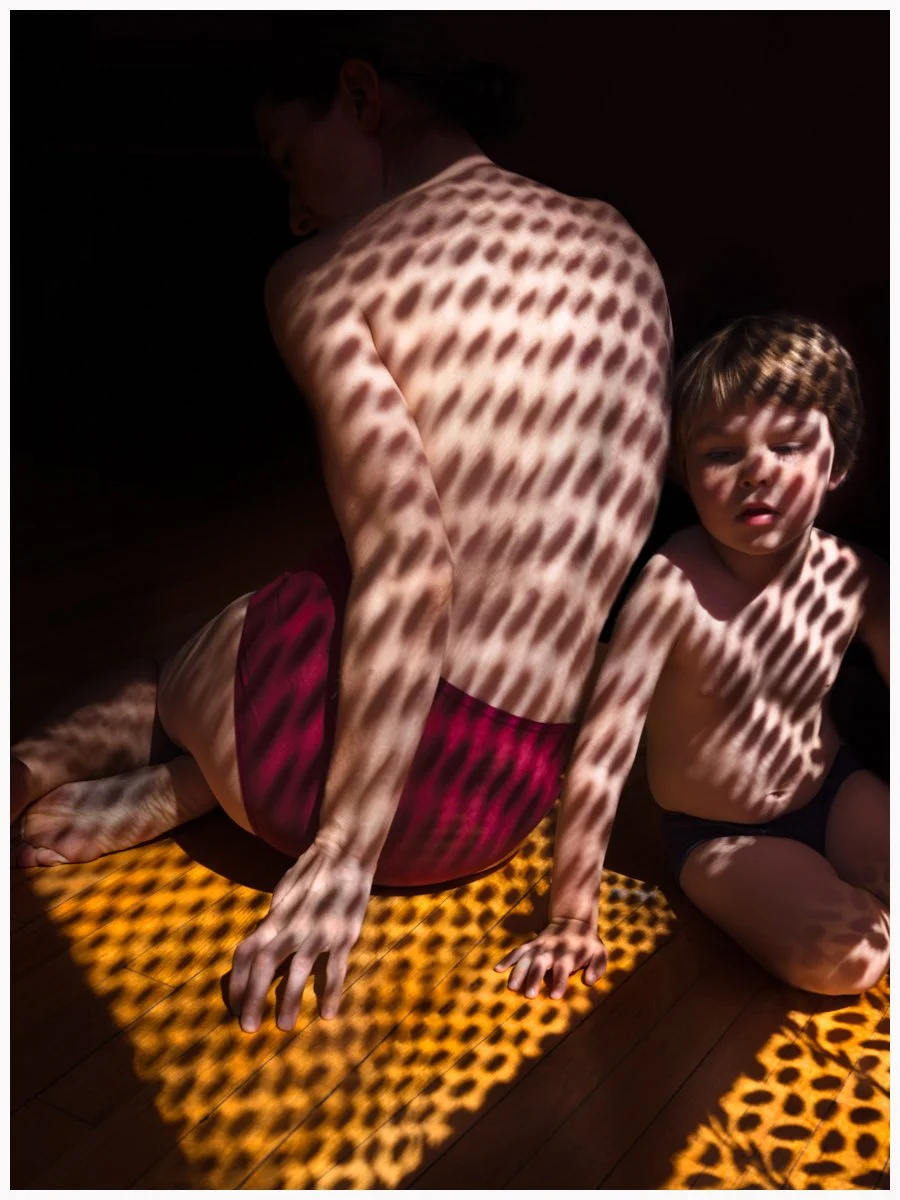
Anastasia Sierra, The Witching Hour
“I become a mother and stop sleeping through the night. Years go by, my child sleeps soundly in his bed but I still wake at every noise. My father comes to live with us and suddenly, I am a mother to everyone. As I drift off to sleep I can no longer tell my dreams from reality. In one nightmare my father tells me he’s only got two weeks to live. In another, I am late to pick up my son from school and never see him again. I am afraid of monsters, but I move towards them: we circle each other until I realize they are just as afraid of me as I am of them.
My images follow the logic of dreams, where we are trapped in a strange colorful world, playing an endless game of hide-and-seek in a labyrinth of love and fears, knowing there is no way to escape but to wake up.
This work meditates on the emotional landscape of motherhood and parent–child relationships, where tenderness, intimacy, and play entwine with guilt, frustration, and a constant sense of what could be lost.”
-Anastasia Sierra
Kevin Williamson
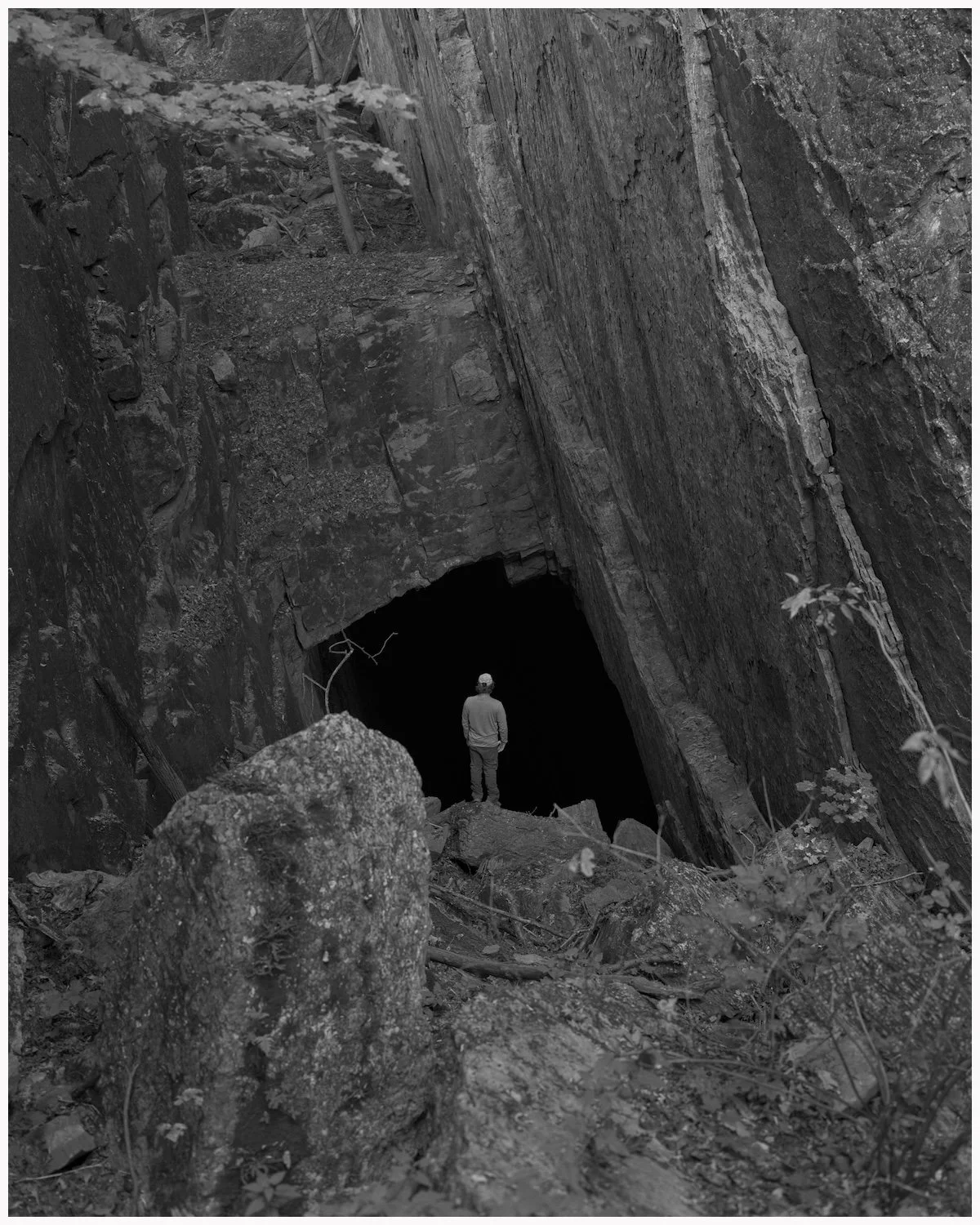
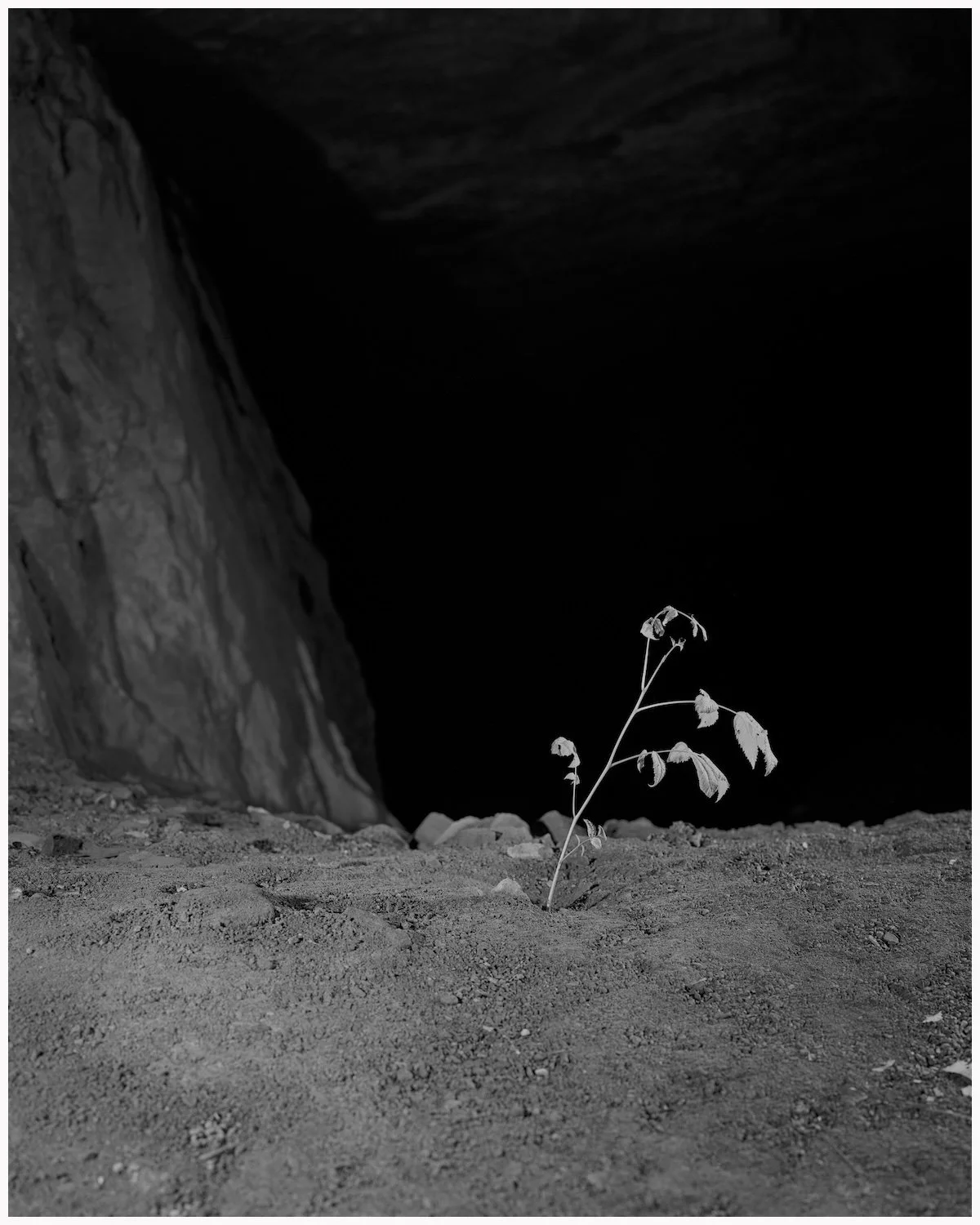
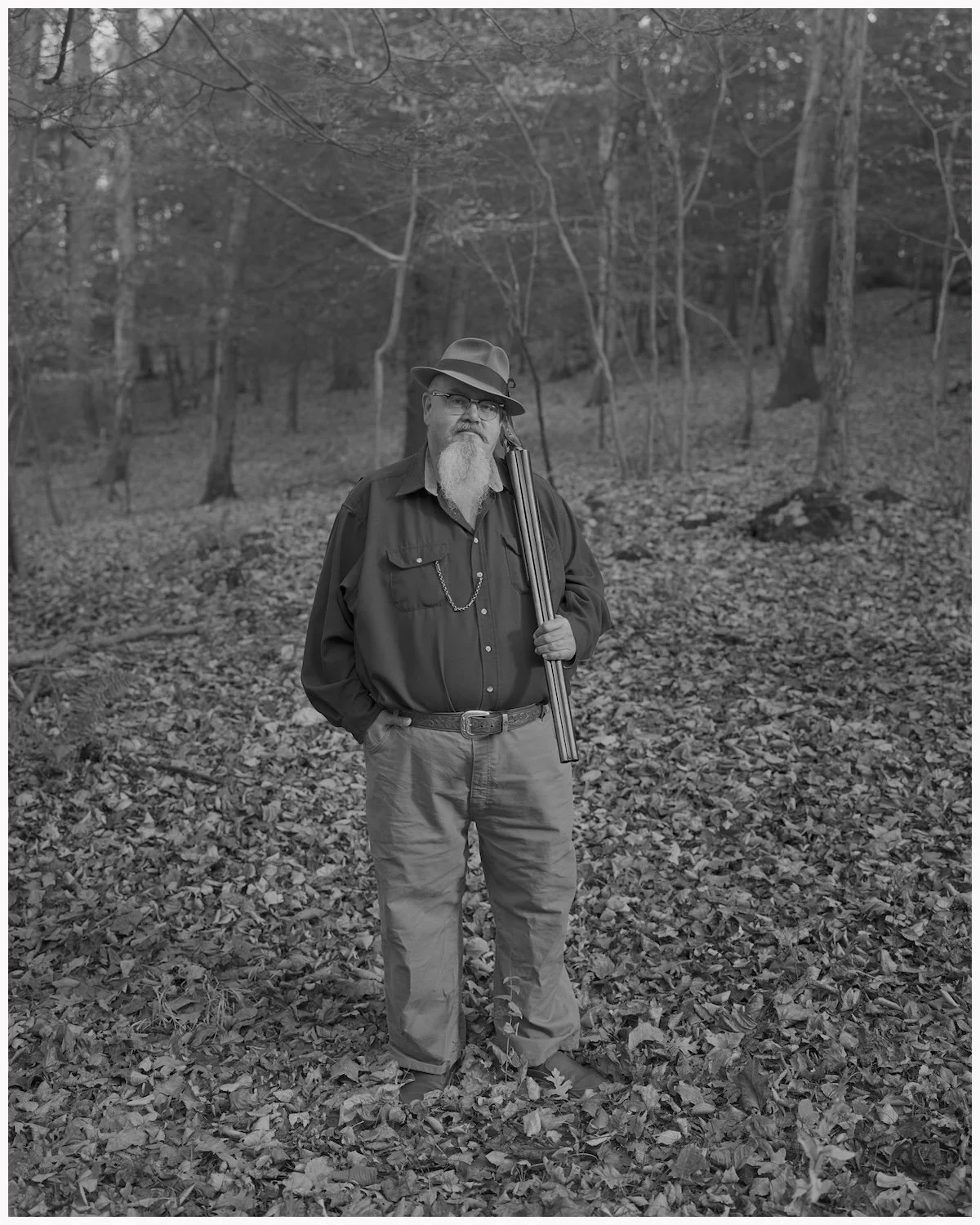
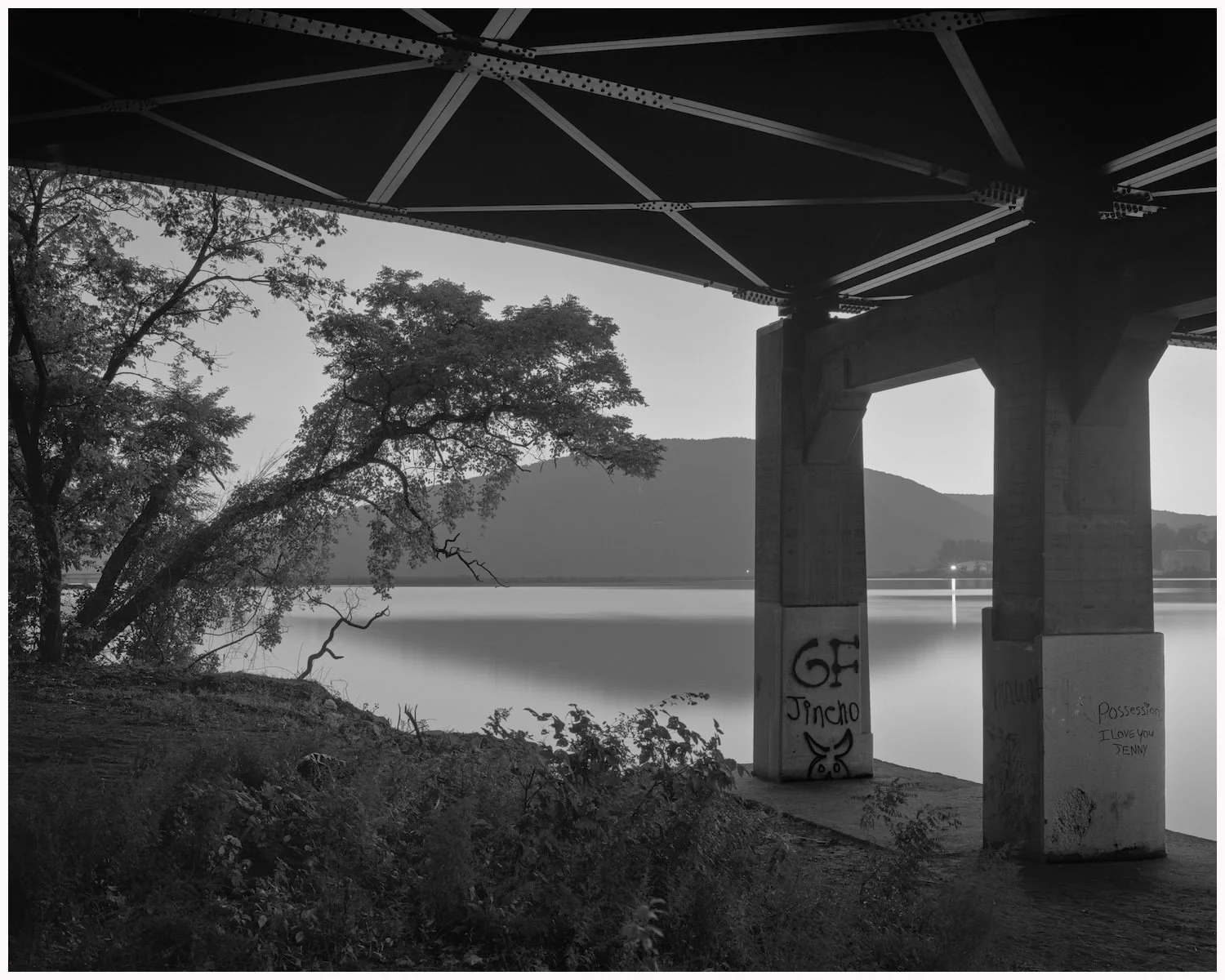
“My earliest experiences of the Hudson Valley were shaped by long summer afternoons spent exploring forests, streams, and quiet spaces with my family. This early spirit of exploration continues to shape my approach to the work I make today. My current body of ongoing work explores how the identity of the Hudson valley has been shaped by its unique landscape and history. Through the photographing of people, towns, and natural spaces, I hope to convey the complex nature of this region. Positioned between the urban and the rural, the valley reveals how human influence on the landscape can leave lasting marks.
Working primarily with a large format view camera, I am drawn toward moments where human presence and the natural environment intersect. The use of this camera allows my process to be slow and meditative, reflecting the quiet that I so often find in these spaces. I am interested in the many contradictions that the Hudson Valley and its people hold. While moments of beauty appear in the work, underlying themes of decay and erosion remain present. The river itself is a grounding force in the work, and depending on how it is photographed, it can serve as a metaphor for both life and death. Through this work, I seek to create images that ask viewers to slow down and consider how landscapes hold both beauty and loss, shaping the identities of those who live within them.” -Kevin Williamson
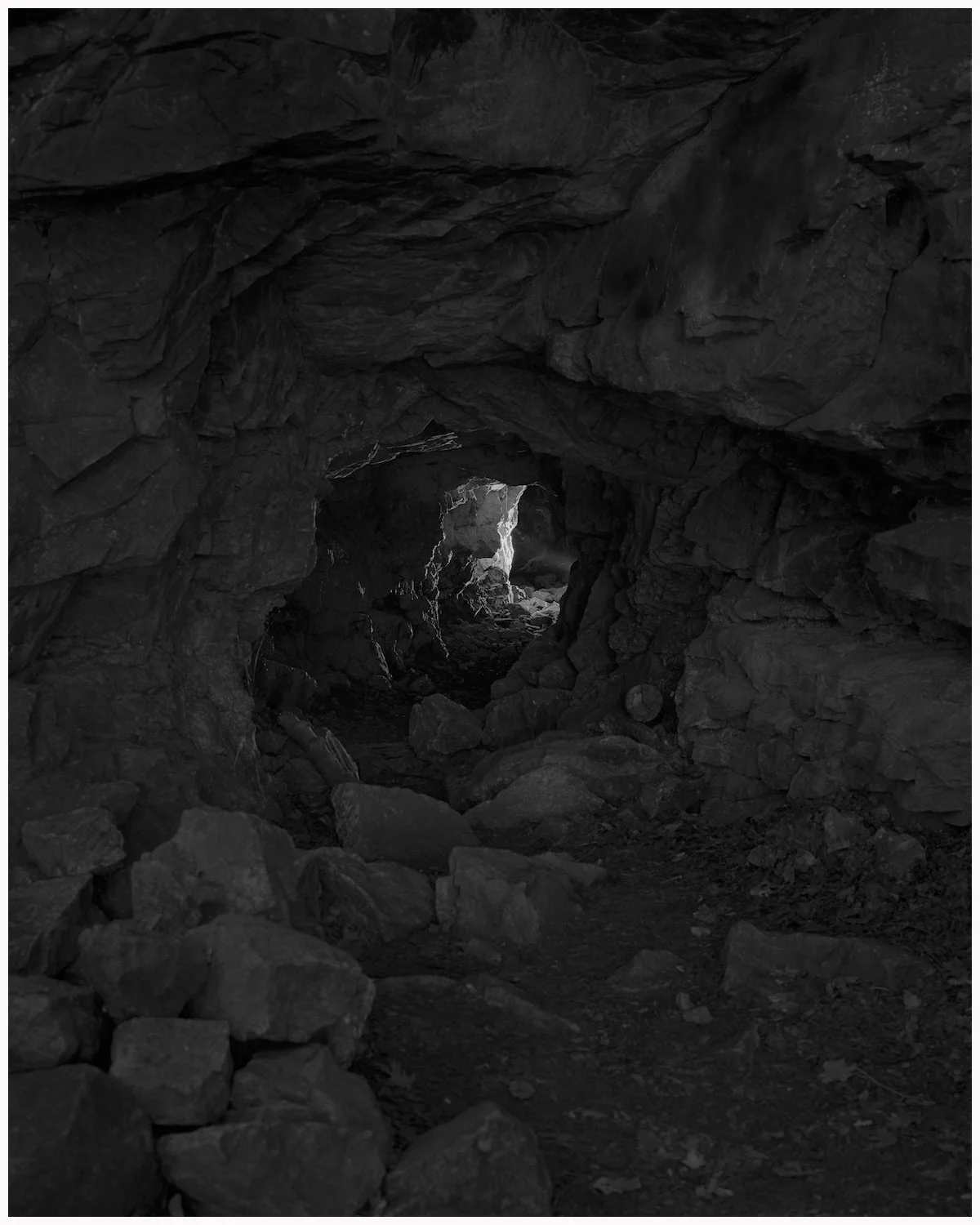
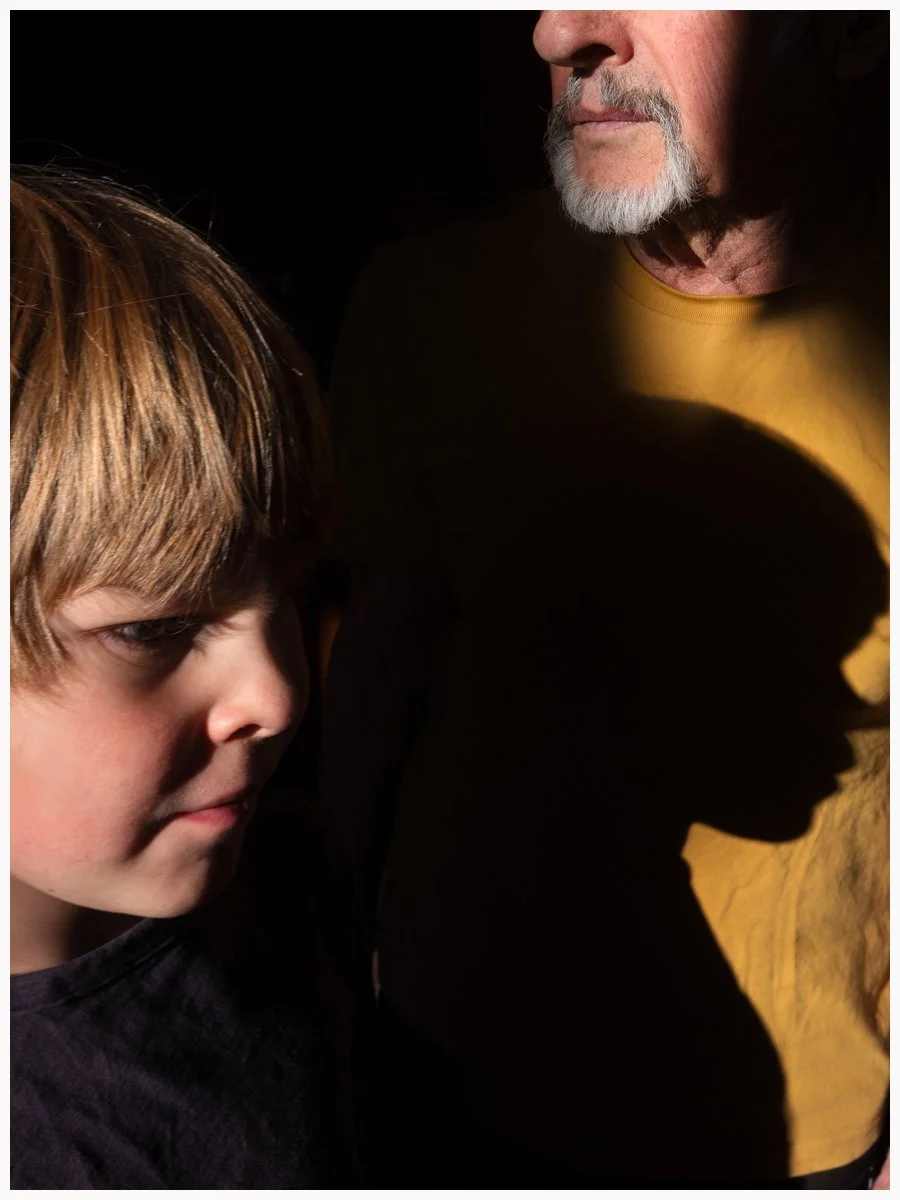
Laura Ritch
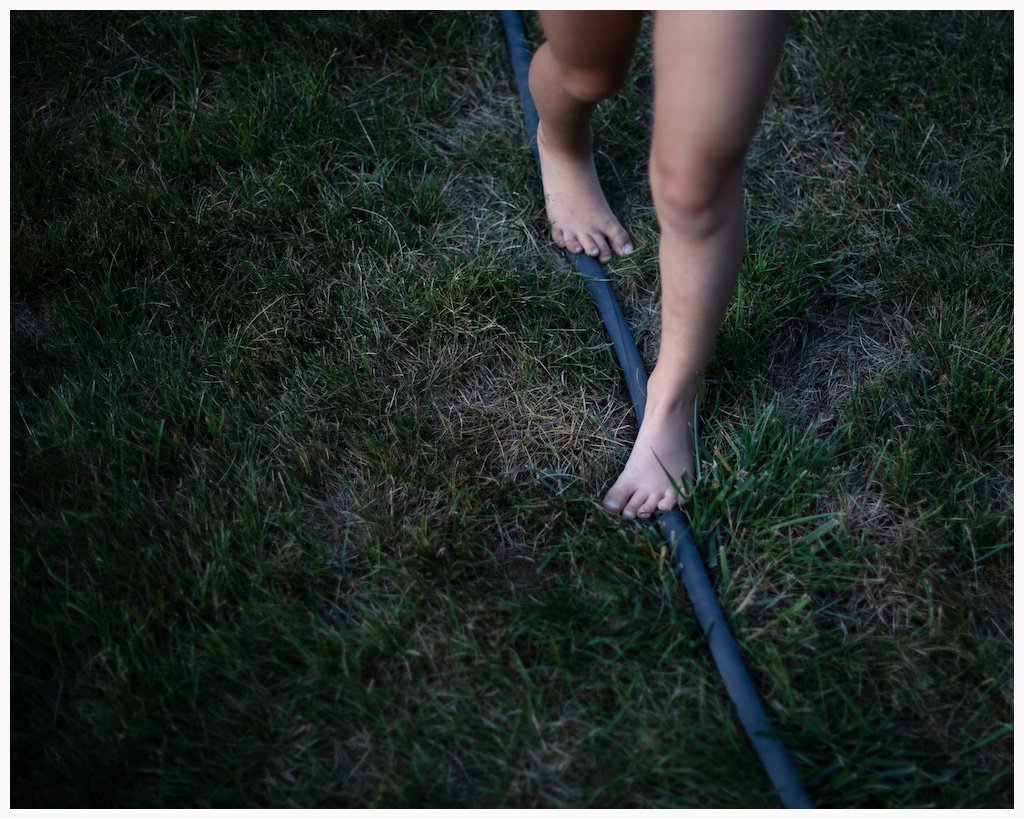
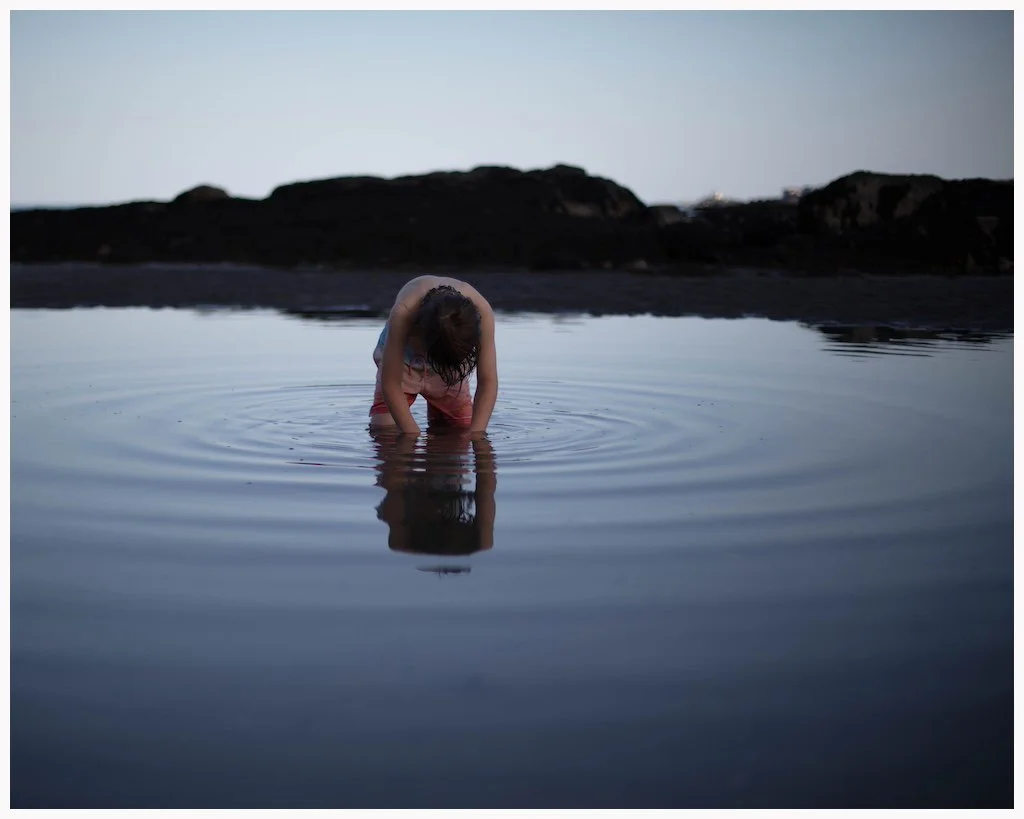
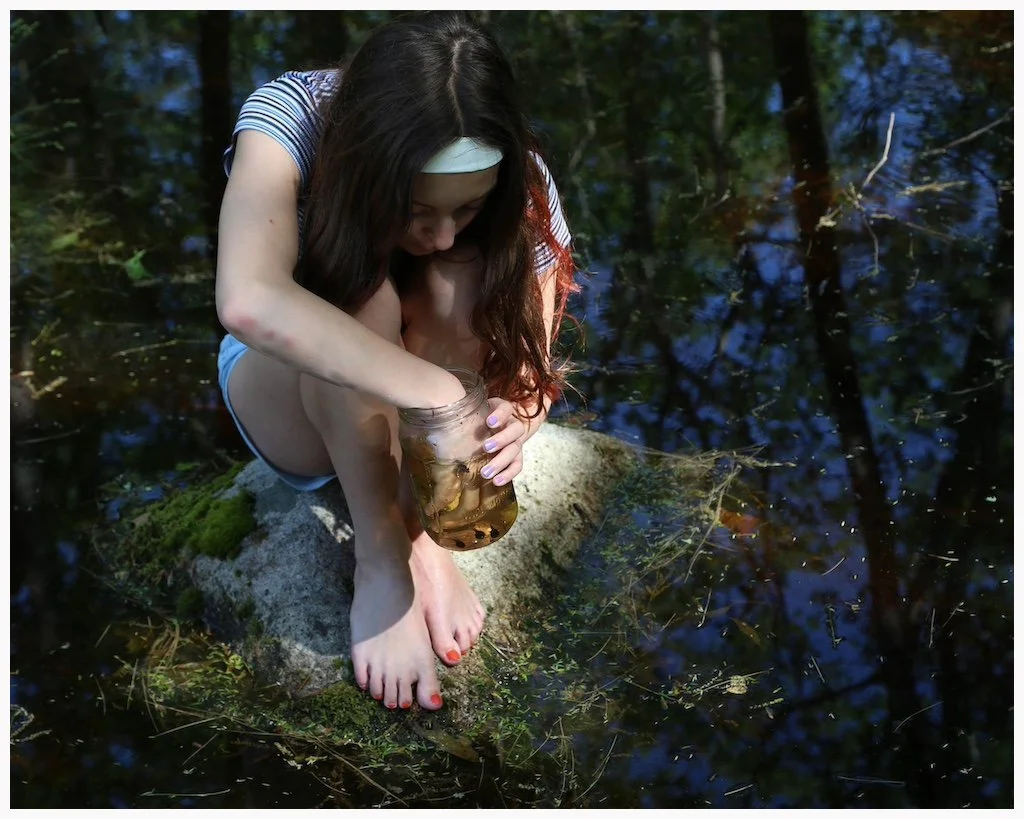
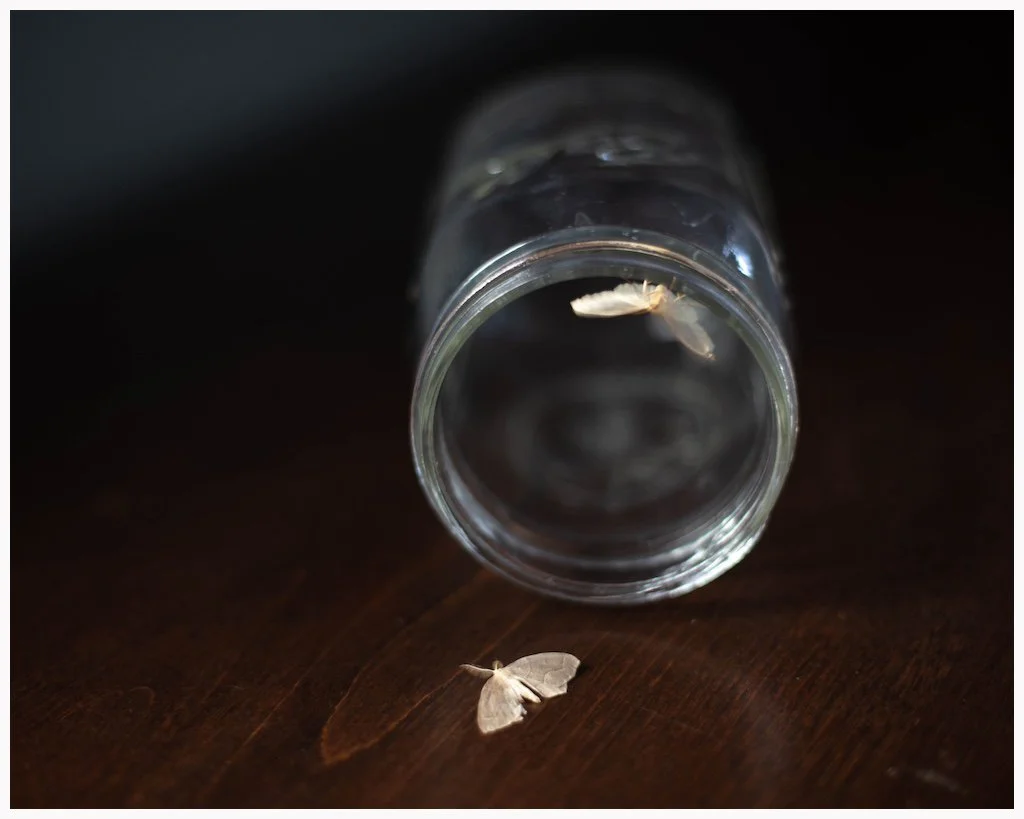
“My return to photography started with one simple task: “find the light”. What began as a literal exploration soon became metaphorical. Set against the backdrop of my home and personal motherhood experience, my work embodies a commitment to exploring the ever-changing journey and space in which I live. With the natural world as a source of inspiration, I use my photography to visually explore the mental, physical and marked space in which my family and I currently reside.” -Laura Ritch